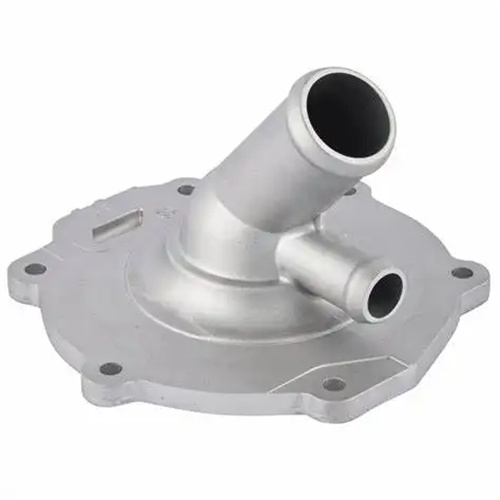
Selection of ejection part of die casting mold
The selection of the ejector location in a die-casting mold is a crucial step in ejector mechanism design, directly impacting the quality of die-casting demolding and the mold’s lifespan. A well-chosen ejector location ensures even distribution of ejection force, avoids product deformation or surface damage, and facilitates mold processing and maintenance. The selection process must comprehensively consider the die-casting’s structural strength, surface quality requirements, core layout, and material properties. Prioritize locations that offer high product rigidity, low surface quality requirements, and ease of placement of ejector components to ensure a safe and reliable demolding process.
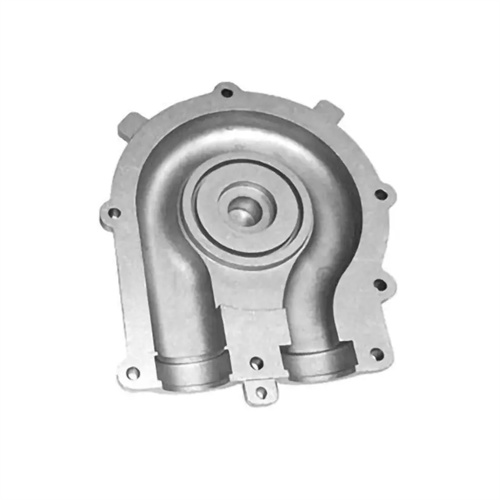
Ejection points should prioritize rigid areas of the die-casting, such as ribs, bosses, or thicker wall thicknesses. Avoid placing ejection points in thin-walled areas (wall thickness <2mm) or easily deformed areas to prevent permanent deformation. For example, in the ejection design of box-type castings, ejector pins should be placed on the surrounding frames and internal ribs. These areas are rigid and can withstand high ejection forces without deformation. For thin-walled panels, a large ejector plate is required. The contact area between the ejector plate and the product should be at least 80%, and the contact area should be avoided from surface decorative areas to ensure uniform force distribution. Finite element analysis can be used to determine the rigidity of the ejection area. The stress at the ejection point should be controlled within 50% of the material's yield strength. For example, the ejection contact stress of aluminum alloy (yield strength 120MPa) should be ≤60MPa.
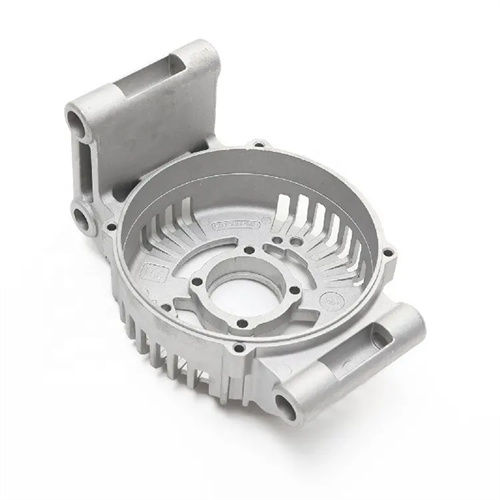
The ejection point must avoid the product’s key functional and exterior surfaces, such as mating surfaces, sealing surfaces, threaded holes, and decorative surfaces, to prevent ejection marks from affecting product performance or aesthetics. For surfaces with mating requirements (such as bearing holes and locating pin holes), ejector components should not be located within a 5mm radius. For exterior surfaces (such as automotive exterior trim), the ejection point must be hidden in a non-visible area. If an ejector pin must be located in a visible area, a small diameter (≤2mm) must be used, ensuring that the alignment error between the ejector pin and the product surface is ≤0.02mm. After ejection, the ejection mark must be removed through subsequent processing. For example, in the die-cast mold design for a mobile phone midframe, all ejector pins are located on the internal structural ribs, and the exterior surface is ejected using the edge of the ejector plate to ensure that there are no ejection marks on the exterior surface.
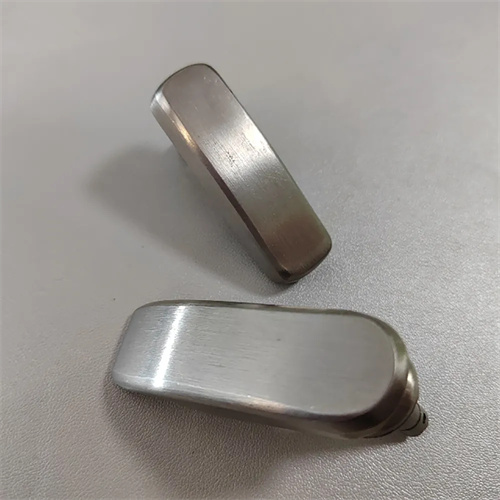
The distribution of ejection points must match the core layout to ensure the ejection force is close to the core, reducing the moment during demolding. When a product has multiple cores, at least two ejection points should be set around each core to form a symmetrical distribution. The distance between the ejection point and the core should be controlled within 10-30mm to avoid bending of the core due to excessive lever arms. For slender cores (aspect ratio > 5), an ejection point should be set near the root of the core, and a push-out tube should be used at the end of the core to form a “double-point support” to prevent the core from breaking due to bending moment during ejection. For example, a slender core with a diameter of 10mm and a length of 80mm has an ejector pin set 15mm from the root and a push-out tube set at the end, with an ejection force distribution of 6:4, effectively protecting the core.
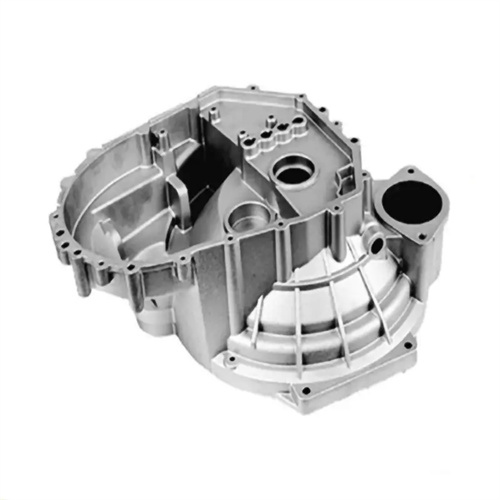
The number of ejection points should be determined based on product weight and size to ensure the ejection force per unit area is within a reasonable range. Small parts (weight < 500g) can have 2-4 ejection points; medium-sized parts (500g-2kg) can have 4-8 ejection points; and large parts (> 2kg) can have 8 or more ejection points. Ejector plates or a combination of ejector plates are required. For aluminum alloy castings, the ejection force per unit area should be controlled at 0.5-1 MPa, for zinc alloys at 0.3-0.8 MPa, and for copper alloys at 1-1.5 MPa to avoid excessive pressure that can cause surface indentations. For example, a 1kg aluminum alloy flat plate (200cm² area) requires a total ejection force of 5-10 kN. Six ejector pins, each with a force of 0.8-1.7 kN, meet the required force per unit area.
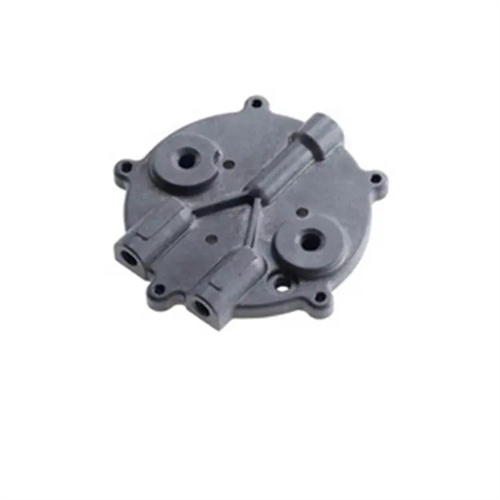
The structure of the ejection part must be convenient for mold processing and maintenance. It is preferred to set the ejection component on the flat area of the template or core to avoid setting it on deep cavities or inclined surfaces, which increases the difficulty of processing. The machining accuracy of the ejector hole must reach H7 level, and the surface roughness Ra≤1.6μm to ensure smooth movement of the ejector; for special-shaped ejector blocks, they must be designed to be detachable and fixed with bolts to facilitate replacement after wear. For example, in the ejection design of complex cavities, most of the ejectors are set on the dynamic mold template, and the ejection of deep cavities uses nested ejector blocks connected by dovetail grooves, which not only ensures the ejection effect but also reduces processing and maintenance costs.